
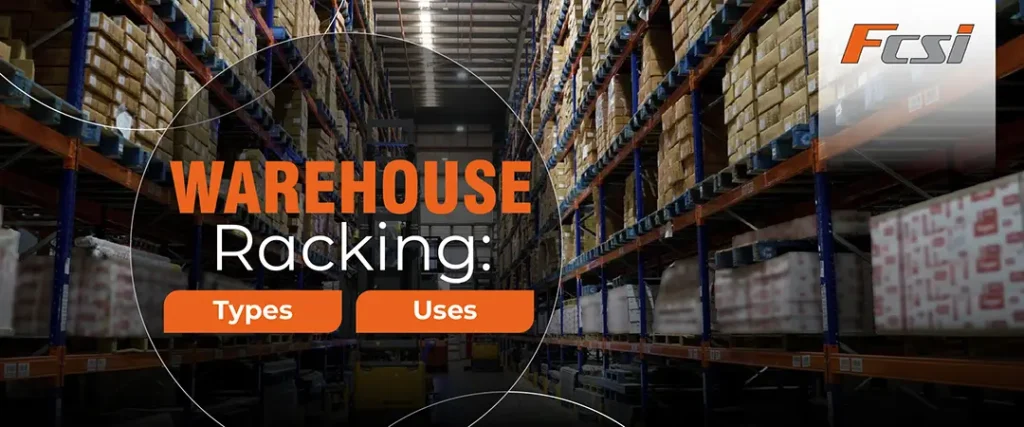
A warehouse can look large and still run out of space. This often happens when pallets sit on the floor, cartons block aisles, and workers have no fixed place for each item. Warehouse racking helps solve these problems. It uses the height of the building, keeps stock in order, and makes daily movement easier. The right warehouse racking system also helps staff find goods faster and lowers the risk of damage. This guide explains warehouse racking types and uses, along with the points you should check before choosing a system.
What Is Warehouse Racking?
Warehouse racking is a metal storage setup used for pallets, boxes, tools, spare parts, pipes, boards, and other goods. Most racks include upright frames, beams, shelves, braces, and safety locks.
Instead of keeping stock across the floor, a storage racking system places goods in rows and levels. This leaves more room for workers, forklifts, and pallet trucks.
Racking also makes stock easier to sort. Goods can be arranged by size, weight, product type, batch number, or how often they are picked.
Why Is Racking Needed in a Warehouse?
Poor storage wastes time. Workers may walk from one end of the warehouse to the other to find a product. Forklifts may wait because an aisle is blocked. Goods may also get damaged when pallets are stacked without proper support.
A well-planned racking system can help with:
- Better use of warehouse height
- Clear aisles for workers and forklifts
- Faster order picking
- Easier stock counting
- Less product damage
- Better stock rotation
- Safer loading and unloading
- More room for future stock
For example, a warehouse handling online orders can keep fast-selling goods near the packing area. Products that sell less often can stay on upper racks or farther from dispatch. This small change can save time during every shift.
Warehouse Racking Types and Uses
Each warehouse works differently. A food store, furniture warehouse, spare-parts unit, and building material supplier will not need the same racking system.
1. Selective Pallet Racking
Selective pallet racking gives direct access to every pallet. Workers can reach one pallet without moving the others.
It works well for warehouses that store many products or deal with regular stock changes.
Common uses include:
- Retail goods
- Electronics
- Packaged items
- Auto parts
- Factory materials
Selective racks are easy to adjust and check. However, they need wider aisles so forklifts can reach each bay.
2. Drive-In Racking
Drive-in racking stores pallets several rows deep. A forklift enters the rack to place or remove stock.
This system uses fewer aisles, which means more pallets can fit into the same area. It suits warehouses that keep a large amount of the same product.
Drive-in racks are often used for:
- Cold storage
- Drinks
- Food products
- Building supplies
- Bulk stock
This setup usually follows a last-in, first-out system because the latest pallet stays nearest the front.
3. Push-Back Racking
Push-back racking uses carts or rails set on a slight slope. When a new pallet goes in, it pushes the earlier pallets back.
When the front pallet is removed, the next one moves forward.
This system holds more stock than selective racking and does not require forklifts to enter the rack. It works well where several pallets of the same product need to stay together.
4. Pallet Flow Racking
Pallet flow racking uses rollers. Pallets are loaded from one side and move toward the picking side with the help of gravity.
This system follows first-in, first-out stock movement. It suits goods with expiry dates, batch numbers, or a fixed order of use.
Common uses include:
- Food
- Medicines
- Dairy goods
- Drinks
- Packed chemicals
The rollers need regular cleaning and checks to keep pallets moving properly.
5. Cantilever Racking
Cantilever racking is used for long or uneven goods. It has upright columns with arms that extend outward.
There are no front beams, so workers can load long items more easily.
Businesses use cantilever racks for:
- Timber
- Pipes
- Steel bars
- Boards
- Furniture
- Construction materials
The arms can be moved to suit different product sizes and weights.
6. Mobile Racking
Mobile racking places racks on moving bases. Staff open only the aisle they need.
This reduces the number of fixed aisles and leaves more room for stock.
Mobile racks are often used for:
- Files and records
- Medical stock
- Cold rooms
- Small parts
- Expensive goods
The floor must be level, and the tracks need regular care.
7. Mezzanine Racking
Mezzanine racking adds another floor inside the warehouse. It makes use of empty space above the main floor.
The extra level can be used for storage, packing, office work, or light assembly.
A mezzanine system may include shelves, stairs, rails, walkways, and loading gates. It suits warehouses with high ceilings and limited floor space.
Racking Types and Their Uses
Racking Type Main Use
Selective pallet racking Mixed stock that needs direct access
Drive-in racking Large amounts of the same product
Push-back racking Several pallets of the same item
Pallet flow racking Goods that need first-in, first-out movement
Cantilever racking Pipes, timber, boards, and long goods
Mobile racking Storage where floor space is limited
Mezzanine racking Warehouses with unused height
How to Choose the Right Racking System
Start with the goods you store. Check their size, shape, weight, and how often they move.
Heavy pallets need strong beams. Small boxes may need shelves. Long goods may need cantilever racks. Products with expiry dates may suit pallet flow racking.
Also check:
- Ceiling height
- Floor strength
- Forklift size
- Aisle width
- Daily loading needs
- Stock rotation
FCSI Racking can check the warehouse layout, stock movement, and handling equipment before planning the warehouse storage racks. This helps prevent narrow aisles, weak racks, poor access, and changes after installation.
Common Mistakes to Avoid
Choosing racks only by price is a common mistake. A low-cost rack may not hold the required weight or suit the forklift route.
Another mistake is placing slow-moving goods close to dispatch while popular products stay at the back.
Warehouses should also avoid overloaded beams, damaged frames, blocked aisles, and heavy goods placed too high.
Warehouse Racking Safety Tips
Warehouse racks should be checked often. Staff should look for bent frames, loose bolts, damaged beams, missing locks, and uneven loads.
Keep load limits visible. Replace broken pallets. Use guards around exposed rack columns. Report forklift hits at once.
Heavy stock should stay on lower levels where possible. Staff should also know how to load each rack correctly.
FAQs
What is warehouse racking used for?
Warehouse racking holds goods in rows and levels, helping businesses save space and keep stock organised.
Which racking system is best for pallets?
Selective racking suits direct access, while drive-in and push-back racks hold more pallets in less space.
Can warehouse racks be made to size?
Yes. Height, width, shelf levels, beam strength, and aisle space can match the warehouse.
Which rack is used for long goods?
Cantilever racking works well for pipes, timber, boards, steel bars, and furniture.
How often should racks be checked?
Staff should carry out regular visual checks and inspect racks after any damage, impact, or layout change.
